
Dragon’s Den for PhD students
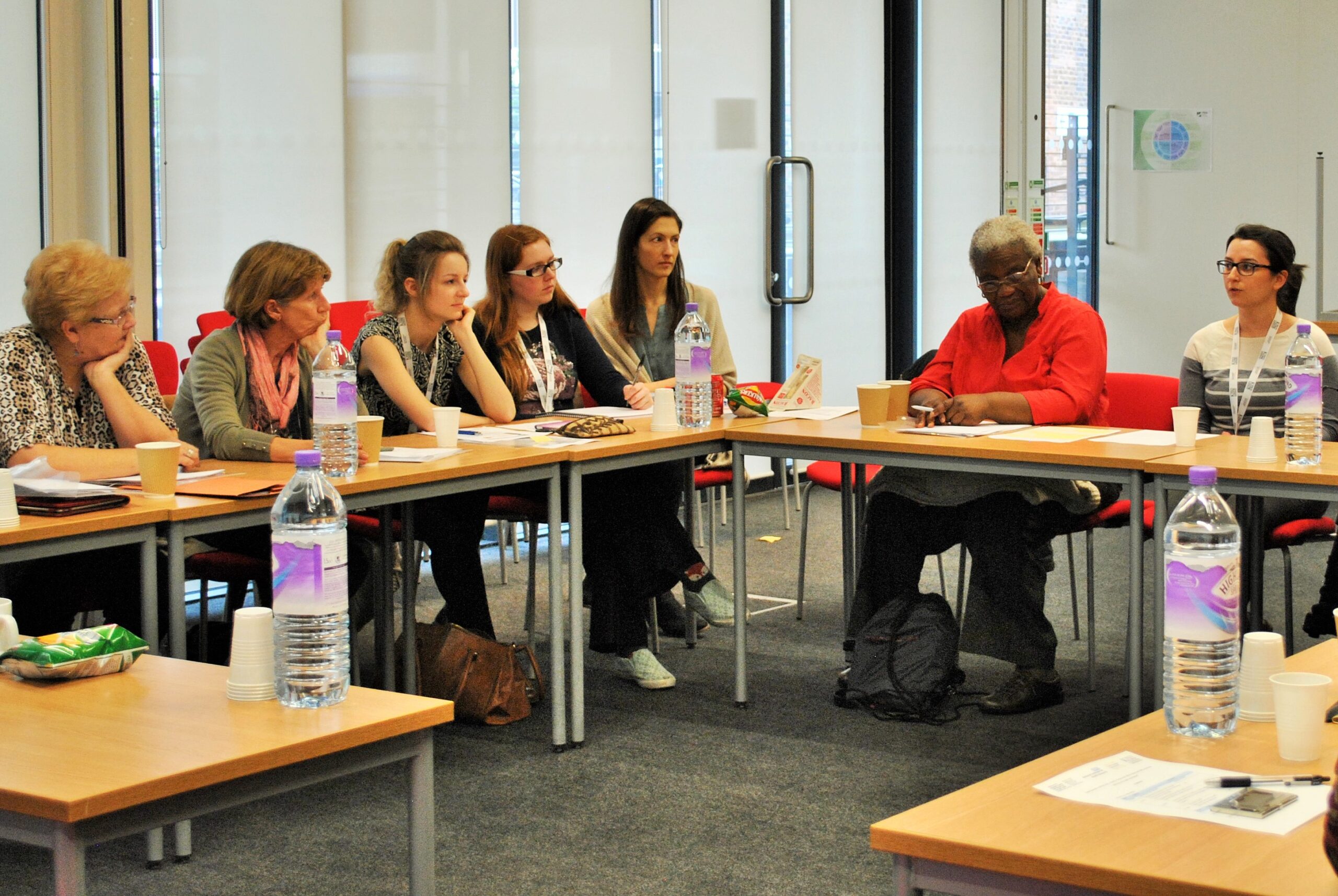
Following the success of our first series of “Developing leaders in palliative care” workshops hosted by PhD students at the Cicely Saunders Institute (see previous posts for further information), we obtained funding to run a second series of workshops. This second series of workshops were held from January– June 2026 and were planned as the same format as the previous series, with presentations from PhD students on their projects with time for discussion. We invited PPI attendees and presenters from the first series of workshop to facilitate relationship building between presenters and attendees and then opened the invite up to additional presenters and attendees as funding allowed. Over the three workshops, we had total of 18 PPI attendees and seven PhD student presenters. The first two workshops were planned to be held online, with a third and final event in person. However, following discussion with PPI and evaluation on the feasibility of this, it was decided instead to hold the final workshop online and extend the time to 2.5 hours.
We were keen to ensure we were being responsive to the feedback provided by PPI attendees to ensure the workshops were enjoyable for all. For example, feedback following the first workshop indicated that PPI members would like to receive the presentation slides in advance of the workshop. We were able to implement this in the subsequent workshops.
“Well managed. Clear division of time between Natalie & Megan (often a challenge when managing input from a group). Clear outline of each piece of research. Accessible, which then invites PPI response. Respectful acknowledgment of feedback & a reminder that all personal experiences are respect & held within the group. Both pieces of research are covering areas of care that need to be better provided for beyond the current provision of healthcare.” Quote from PPI member following the March workshop.
In the final workshop, presenters reflected on the workshops and how this had impacted their work and will continue to do so into the future. In an evaluation of the presenters, one stated:
“One of the most important lessons I will take forward is that engaging with PPI encourages researchers to think about the “so what?” of their research. Explaining a project in an accessible way requires clarity about why the research matters and who it will ultimately benefit. This process has improved both my communication skills and my ability to focus on research questions with real-world importance. Overall, the workshops have been one of the most valuable learning experiences of my PhD and have reinforced my commitment to embedding PPI in future research.” PhD student presenter reflecting on the workshop series.
We are delighted that following the final workshop, all PPI members stated that they enjoyed the workshops, would like to attend similar events in the future and would recommend these workshops to a friend.
“Excellent, interesting presentations highlighting important and great research and fantastic progress. Good discussion.” Quote from PPI member following the June workshop.
The PhD students and two PPI members are now busy working on a publication to evaluate the impact of the workshops on PhD students. We hope that this will provide some evidence to secure funding in the future to support future PhD students to collaborate with PPI members in the same way. It is extremely important that this funding becomes more available as collaboration with PPI is a vital research skill, but is often not included in the funding available to PhD students.
Contributed by India Tunnard-Johnson, Megan Bowers, Evan Brock, Rachel Chambers, Amelia Cook, Charlotte Davies & Ana Maksimovic