
Seeing Research Through a Different Lens: Reflections from ‘Science is Open’
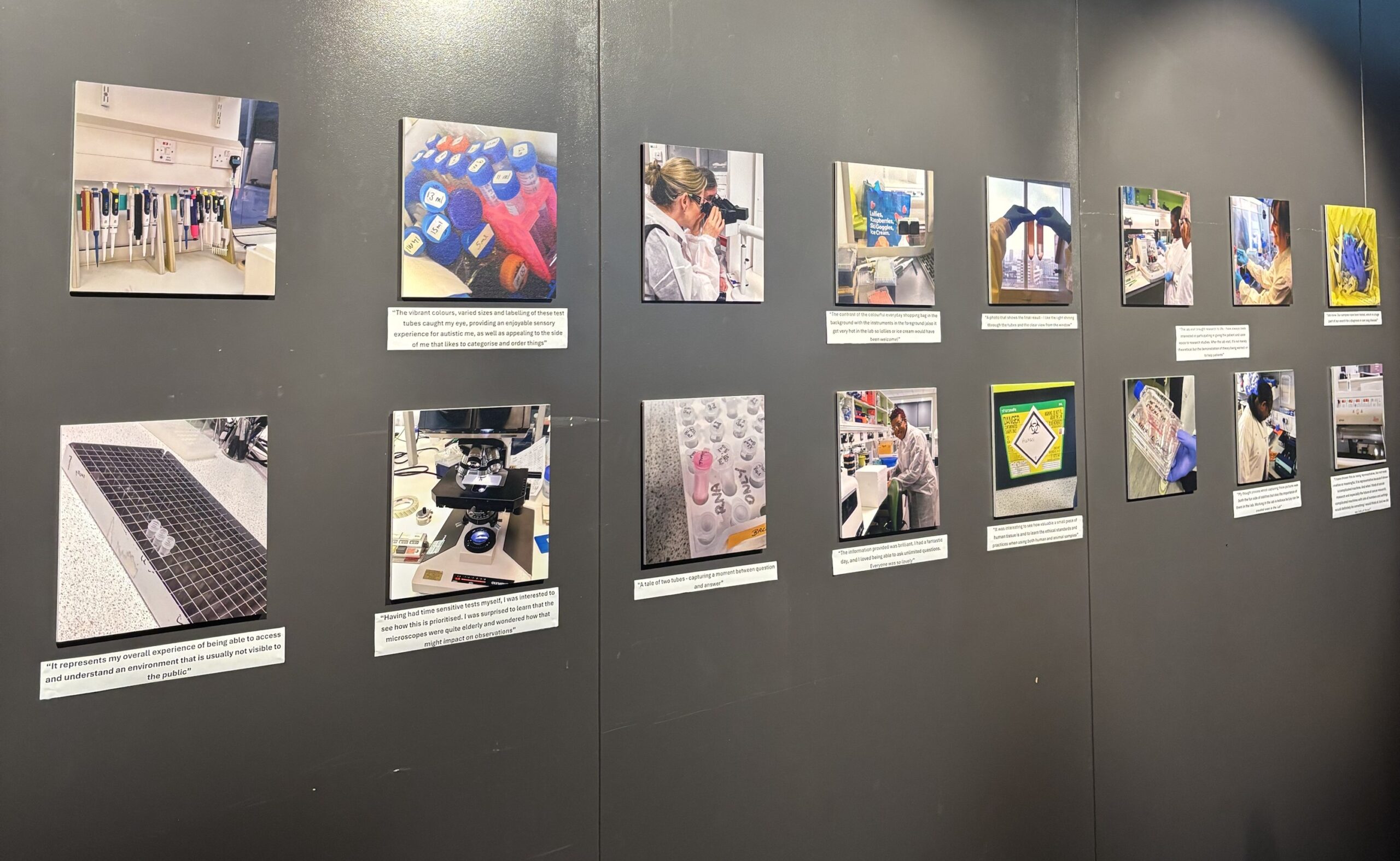
Research often begins long before a treatment reaches patients, yet much of what happens behind the laboratory doors remains unseen.
‘Science is Open’ is a public engagement project developed by the Centre for Translational Medicine (CTM) to open up the world of laboratory research to patients and members of the public. Through a series of visits to research laboratories, participants were given the opportunity to see first hand how different types of samples are processed and how laboratory research contributes to improving health and healthcare.
Working alongside a creative artist, Daniel Regan, participants visited laboratories across a range of healthcare areas—including cancer, cardiovascular health, child and maternal health, lung health and arthritis. Rather than simply observing, they were invited to document what they saw through photography, capturing the people, spaces and processes that stood out most to them. The resulting photographs offered a unique perspective on laboratory research— helping to tell the story of science through the eyes of the people it ultimately aims to benefit.
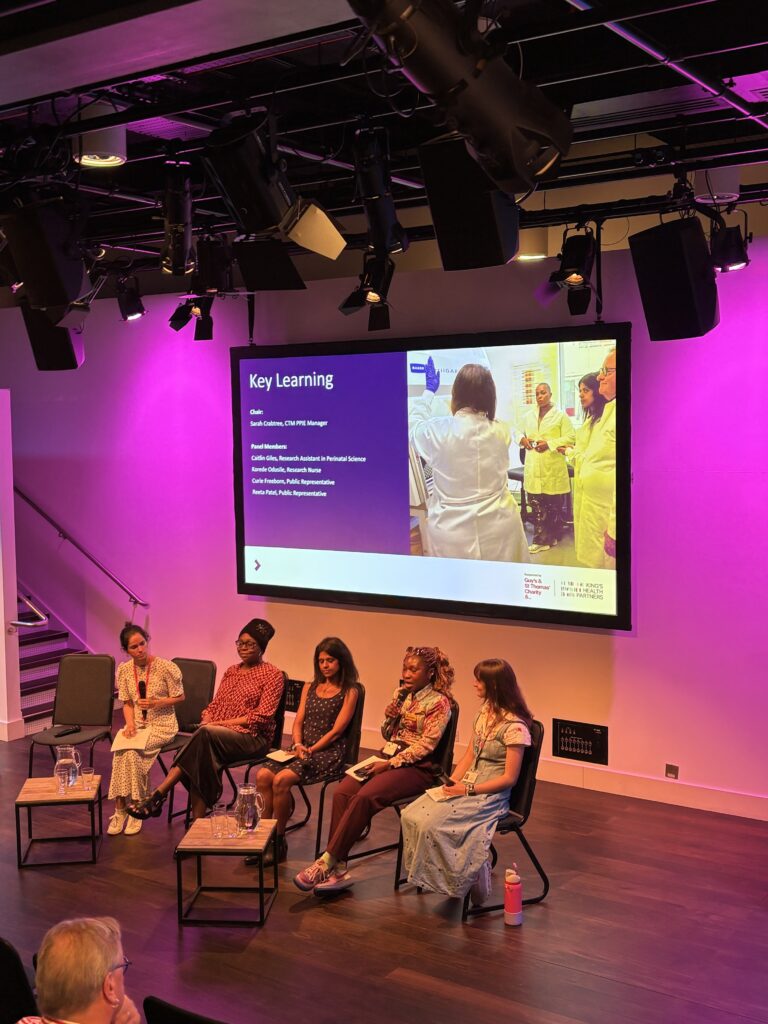
The project culminated in the ‘Science is Open – Lab Visits from a Public Perspective’ event, where attendees had the opportunity to view the photographs and hear reflections from those involved. The images sparked conversations about trust, transparency, and the often invisible work that underpins health research.
For many participants, the lab visits helped demystify the research process. Seeing the journey of a sample from start to finish gave them a greater appreciation of the expertise, precision, and time involved in producing research findings. Rather than imagining samples simply being placed into a machine, visitors saw the dedicated researchers, careful processes and attention to detail behind every stage.
One participant reflected:
“It was really interesting to learn how research starts in the lab and what happens at the early stages. This also showed me how research works in practice, not just in theory.”
The photography element also encouraged public members to engage with the laboratory environment in a different way. Rather than simply observing, participants were invited to document the aspects of research that interested them most.
As one contributor explained:
“Taking photos helped to see the lab from a different perspective, focusing on what I was drawn to rather than what was in front of me.”
The learning extended beyond the public members. Researchers reflected on the value of seeing their work through fresh eyes, noticing elements of laboratory research that had become part of their everyday routine. They welcomed the opportunity to answer questions and explain how samples and data are handled throughout the research process.
The impact of the project was reflected in the feedback received at the event. Before attending, most participants reported having little or only some knowledge of what happens behind the scenes in research laboratories. Following the event, all respondents reported an increase in their understanding, with almost half reporting a significant increase.
Several attendees also highlighted the value of meeting and speaking directly with researchers. One participant commented:
“Researchers were demystified, as being just like you and me.”
Another reflected that taking part in the project had increased their trust in healthcare, science and researchers.
Perhaps the most meaningful outcome of the project was the conversations that emerged throughout the lab visits. By bringing researchers and members of the public together, Science is Open created opportunities to ask questions, challenge assumptions and learn from one another. For many, the experience helped build understanding and trust, reinforcing an important truth: research is not just about science; it is about people.
By opening laboratory doors and inviting the public to share their perspectives, Science is Open demonstrated how meaningful engagement can strengthen understanding, build trust and help ensure research remains connected to the communities it seeks to benefit.
A huge thank you to everyone who took part in the lab visits and shared their curiosity, questions, and perspectives. The next stage of the project will involve developing a series of accessible information booklets for each laboratory, combining participant photographs with clear, step-by-step explanations of the processes observed during the visits. We also hope to expand the Science is Open programme in the future, creating further opportunities for patients and members of the public to explore laboratory research, contribute their perspectives, and engage with the people and processes that underpin health research.